
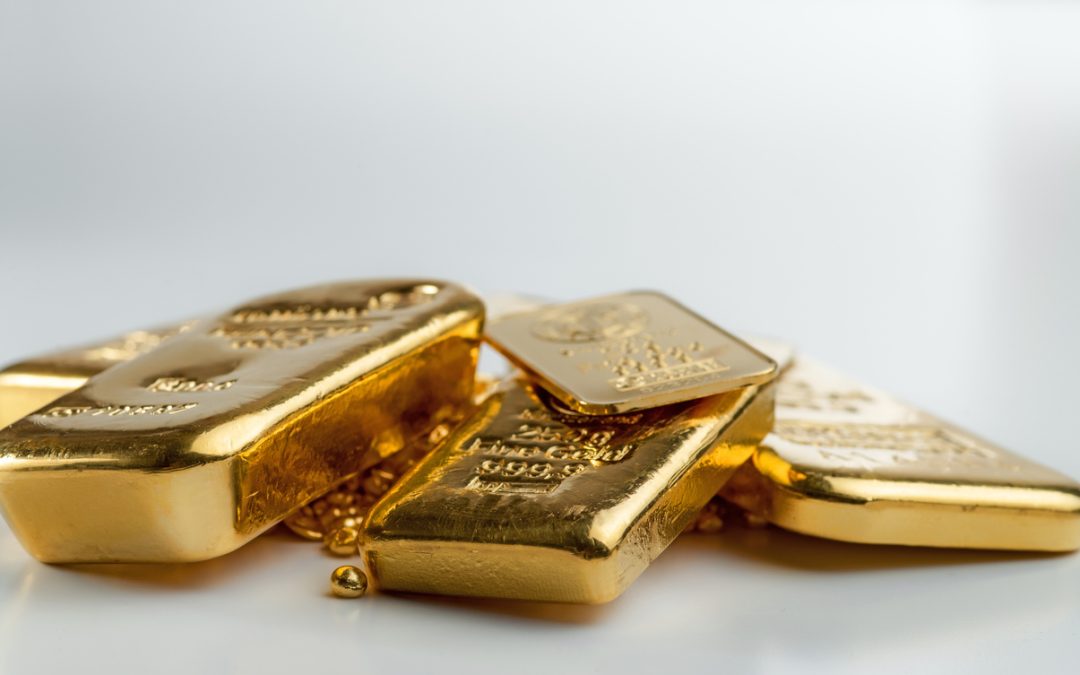
Every gold item you own has a floor price. That floor is its melt value, the worth of the raw metal it contains, and it comes from a simple calculation: weight, purity, and the current spot price of gold. But Gold Value can extend far beyond melt value for some pieces, and melting those items erases money that cannot be recovered. Knowing which category your item falls into is the difference between a fair payout and a costly mistake.
How Melt Value Is Calculated on Gold Jewelry
Melt value is arithmetic. You take the weight of the item, multiply by the gold fraction indicated by its karat, and multiply again by the day’s spot price per gram. A 14K piece is 58.5 percent gold, which is why you often see it stamped 585. An 18K piece is 75 percent gold, stamped 750. A 10K piece is just under 42 percent.
Two things about that number are worth understanding. First, it applies only to the gold content, so clasps, spring mechanisms, hollow construction, and gemstones inflate what your kitchen scale tells you. Second, melt value is a calculation rather than an offer. Any buyer paying for scrap gold has to cover refining costs, assay, and business margin, so a legitimate offer on scrap material sits below the theoretical melt figure. A buyer promising you full spot on scrap is usually making up the difference somewhere you cannot see.
Condition has no effect on this number at all. A snapped 14K chain carries the same melt value per gram as an identical chain in perfect shape. Damage matters enormously for resale and not one bit for metal content.
What Gives a Piece Value Beyond the Metal
The question that decides everything is whether your item has an identity. A plain, heavy, unmarked chain is essentially gold in a wearable shape, and it will track its metal weight closely. A lighter ring with a recognized maker’s mark, an unusual period design, or intact quality stones can sell on the secondary market for a multiple of what it contains in gold.
Design carries real weight here. Victorian, Edwardian, and Art Deco pieces attract collectors who care about the era, the hand work, and the original cutting of the stones. Substantial diamonds or fine colored stones in a sound setting have value of their own and are worth having looked at separately. A complete, wearable item with a story behind it is competing in a different market than an envelope of broken earring backs.
Hallmarks, Signatures, and Papers Worth Checking For
Before you decide anything, look at the piece under good light with a magnifier. Check the inside of ring shanks, the area near clasps, earring posts, and the reverse of pendants and brooches. You are looking for two separate things: a purity stamp such as 10K, 14K, 18K, 585, or 750, and a maker’s mark, which may be a name, a set of initials, or a small symbol.
Names like Tiffany, Cartier, Van Cleef & Arpels, and David Yurman change the conversation immediately, and so do good American and European workshop marks that most people would not recognize. If you still have the original box, the receipt, an old appraisal, or a certificate, gather it. That paperwork supports authenticity, and on signed pieces it can meaningfully raise what a buyer can pay. Residents around Old Bridge frequently turn up marked estate pieces in boxes nobody has opened since the eighties.
When Melting Is Genuinely the Better Outcome
Plenty of gold is worth exactly what it weighs, and that is fine. Single earrings with no mate, snapped chains, bent bands, thin worn settings, mass-produced items with no marks, and pieces missing their center stones usually make more sense sold for metal content. So do dated styles that nobody is looking for on the resale market, no matter how well made.
Resist the urge to fix anything first. Repair costs regularly exceed the value they add, and a polished piece can lose the surface character that a collector actually wants. Bring items as they are and let the evaluation tell you which path each one belongs on.
Getting a Side-by-Side Number in Old Bridge
The only reliable way to settle this is to have both numbers put in front of you at once. That means having the item tested for purity, weighed accurately, examined for marks, and then compared honestly: here is what the metal is worth, and here is what the piece is worth intact. Bring everything at the same time rather than sorting it yourself at the kitchen table, since the items people assume are junk are frequently the ones with the marks. Bring a valid photo ID as well, since precious metals buyers in New Jersey are required to keep records of the people they purchase from.
If you have gold sitting in a drawer and no idea which side of that line it falls on, bring it to Collectors Coin & Jewelry in Old Bridge and have it looked at in person. You will leave knowing what you have, whether or not you decide to sell that day.